
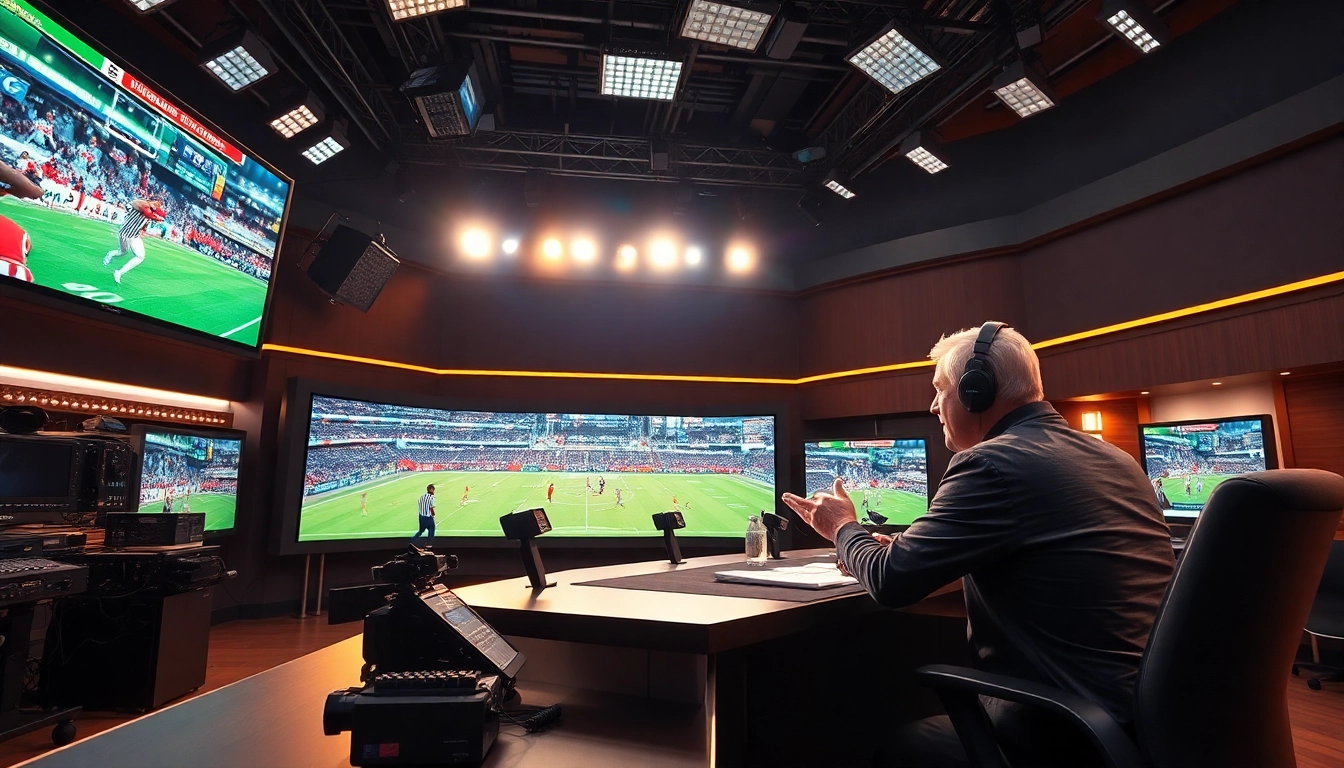
Understanding Sports Broadcasting
What is Sports Broadcasting?
Sports broadcasting encompasses the distribution of live or recorded sporting events through television, radio, and online platforms. This domain plays a crucial role in connecting fans with their favorite sports and teams, offering real-time coverage and insights. The integration of multiple media channels allows for a rich viewing experience, from commentary and analysis to expert interviews. As Sports Broadcasting evolves, it continues to shape how audiences engage with live sports.
The Evolution of Sports Broadcasting
The journey of sports broadcasting can be traced back to the early 20th century, starting with radio broadcasts that brought games into homes via audio. As television emerged, it transformed the medium by providing visual coverage, enchanting millions. The advent of cable TV further expanded viewing options, featuring niche sports and events. In recent years, the rise of the internet has catalyzed a streaming revolution, allowing fans to watch games on-demand across various devices, thus significantly broadening the reach of sports content.
Key Players in Sports Broadcasting
The sports broadcasting landscape includes a diverse range of players, from global networks and cable channels to local stations and online platforms. Major networks typically sign exclusive contracts with leagues, acquiring rights to broadcast high-profile events. Online streaming services have also emerged as significant players, offering innovative plans that cater to the evolving habits of sports consumers. Perhaps equally important are content creators deeply involved in producing insights, previews, and analyses, enriching the sports broadcasting ecosystem.
Essential Techniques in Sports Broadcasting
Core Broadcasting Skills
Core skills in sports broadcasting include strong storytelling abilities, clear communication, and an in-depth understanding of the sport being covered. Broadcasters must convey excitement and anticipation while maintaining accuracy and integrity. Mastery in voice modulation, timing, and pacing enhances the delivery, ensuring audiences remain engaged. Additionally, skillful interviewing techniques are essential for eliciting compelling stories from athletes and coaches.
Effective Communication with Audiences
Effective communication transcends simple commentary. It involves connecting emotionally with audiences and creating a sense of community around a sporting event. Broadcasters should tailor their communication styles to fit the audience, using informal approaches for casual games while maintaining professionalism for important events. Engaging with fans through social media platforms can further strengthen this connection, allowing broadcasters to share insights, answer questions, and create ongoing dialogues.
Utilizing Technology in Sports Broadcasting
Modern sports broadcasting heavily relies on technology, enhancing the viewer experience with high-definition visuals, advanced graphics, and live statistics. Innovations like instant replay and virtual overlays offer viewers deeper insights into gameplay. Tools such as drones and remote cameras expand coverage possibilities, yielding unique angles during live broadcasts. Furthermore, data analytics has become integral, allowing broadcasters to present real-time performance metrics for teams and players.
Current Trends in Sports Broadcasting
Live Streaming and Its Impact
Live streaming has revolutionized sports broadcasting, breaking traditional barriers imposed by cable subscriptions. Platforms like Twitch and YouTube enable sports coverage that is accessible anywhere, anytime. This shift has empowered niche sports by expanding their viewership potential and providing opportunities for more localized coverage. The interactivity allowed in streaming environments enhances engagement, making fans feel part of the event rather than mere spectators.
Integration of Social Media
Social media is integral to the modern sports broadcasting landscape, facilitating real-time interactions and enhancing viewer engagement. Broadcasters capitalize on platforms such as Twitter, Instagram, and TikTok to share highlights, behind-the-scenes footage, and live updates. This integration fosters community-building, allowing fans to participate in discussions, share opinions, and create content that resonates with wider audiences. Moreover, it provides a platform for broadcasters to gauge audience sentiments instantly.
Virtual and Augmented Reality Applications
Virtual Reality (VR) and Augmented Reality (AR) are emerging game-changers in sports broadcasting. They offer immersive experiences that allow viewers to feel as though they are part of the action. For instance, virtual seats enable fans to enjoy live games from home as if they were in the stadium, offering a unique perspective. AR applications can enhance broadcasts by overlaying statistics and player information directly onto the viewing screen, providing valuable insights that enhance understanding and interaction.
Challenges in Sports Broadcasting
Copyright Issues and Licensing
Copyright and licensing challenges are omnipresent in sports broadcasting. Securing broadcasting rights can be a daunting task with high costs, often leading to legal disputes. Broadcasters must navigate a complex landscape of agreements, ensuring they comply with regulations while also protecting their content from unauthorized access. Additionally, as the online media landscape evolves, the system surrounding copyright regulations must adapt to support fair practices while promoting content innovation.
Maintaining Viewer Engagement
In an era filled with content options, maintaining viewer engagement poses a significant challenge. Broadcasters must keep their offerings fresh and appealing, utilizing innovative storytelling and interactive formats to attract and retain audiences. Engaging discussions, live polls, and fan competitions can enhance the overall viewing experience, making it vital for broadcasters to continually gather and analyze viewer feedback to refine their strategies.
Adapting to Technological Changes
Rapid technological advancements require broadcasters to stay adaptable. This adaptability is crucial not just in the equipment used for broadcasts but also in understanding shifting consumer behaviors and expectations. Innovations such as 5G and AI could radically change how content is delivered. Broadcasters need to invest in training and development, ensuring teams can effectively utilize technology to enhance content creation and distribution processes.
Measuring Success in Sports Broadcasting
Key Performance Indicators (KPIs)
KPIs are essential for assessing the success of sports broadcasting initiatives. Key indicators often include viewer ratings, audience demographics, engagement metrics, and social media interactions. By analyzing these data points, broadcasters can evaluate what resonates with their audience, allowing them to tweak content and marketing strategies accordingly. Additionally, advertisers seek detailed analytics to measure the effectiveness of their campaigns, making these metrics invaluable for financial partnerships.
Viewer Feedback and Market Trends
Actively seeking viewer feedback is critical for evolving sports broadcasting offerings. Surveys, social media commentary, and engagement metrics can reveal audience preferences and behaviors, providing insights into market trends. Understanding these trends helps broadcasters tailor their content more effectively, ensuring it meets audience expectations and keeps them coming back for more. Listening to the audience also encourages brand loyalty and deeper connections.
The Future of Sports Broadcasting Metrics
The future of metrics in sports broadcasting is transitioning towards more sophisticated analysis methods, fueled by big data. Predictive analytics will enable broadcasters to anticipate viewer preferences, making real-time adjustments possible during broadcasts. Enhanced metrics will also allow deeper insights into viewer behavior patterns, offering opportunities for personalized experiences and targeted advertising. This evolution reflects the blending of technology and consumer insight in shaping future broadcasting strategies.
Frequently Asked Questions
What role does technology play in sports broadcasting?
Technology enhances viewer experience through high-definition visuals, instant replays, and advanced analytics, making broadcasts more engaging and informative.
How has live streaming changed sports broadcasting?
Live streaming provides viewers with more accessible content, allowing sports coverage to reach wider audiences outside traditional cable systems, enhancing engagement.
What are the main challenges in sports broadcasting?
Challenges include securing broadcasting rights, maintaining viewer engagement, adapting to technological advancements, and complying with copyright regulations.
How do broadcasters measure success?
Broadcasters measure success through KPIs such as viewer ratings, audience demographics, engagement metrics, and social media interactions to refine strategies.
What are current trends in sports broadcasting?
Current trends include the rise of live streaming, social media integration, and the use of VR and AR to enhance viewer interactions and experiences.